Where it comes from
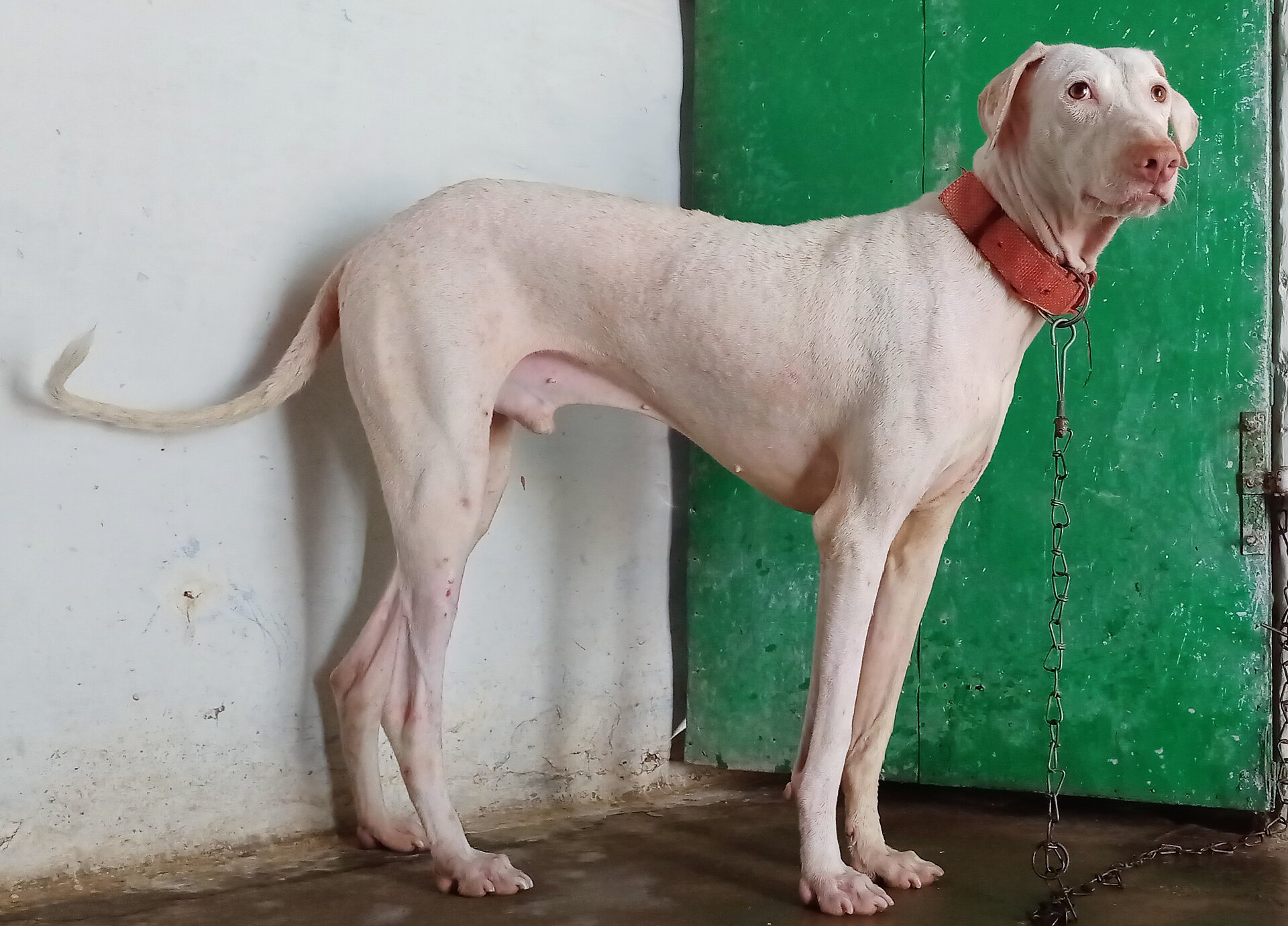
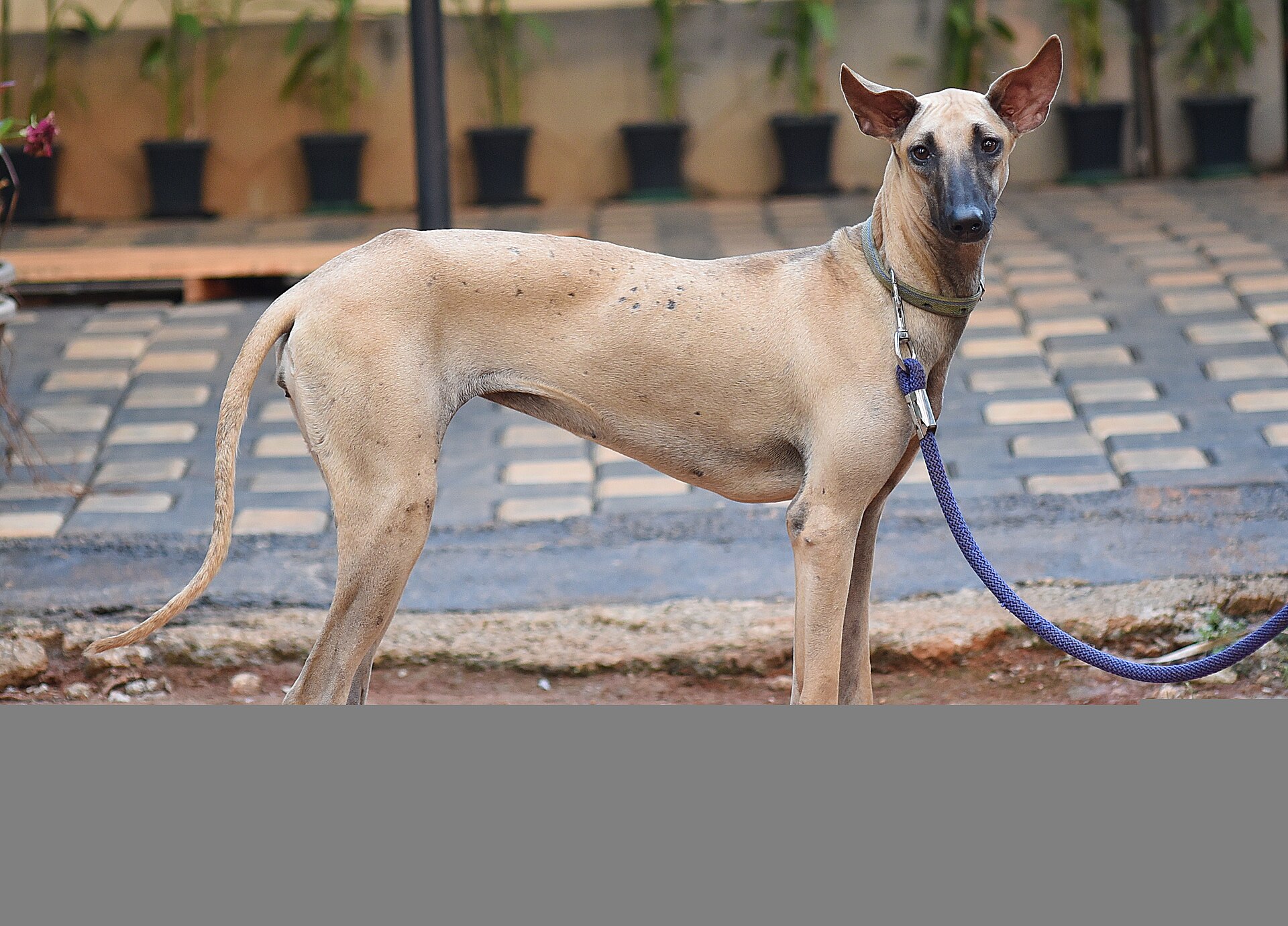
Chippiparai is a village near Madurai. The breed was maintained by the royal family of Chippiparai and by ordinary farming households across the southern districts, where a dog that could catch its own dinner was an asset rather than an expense.
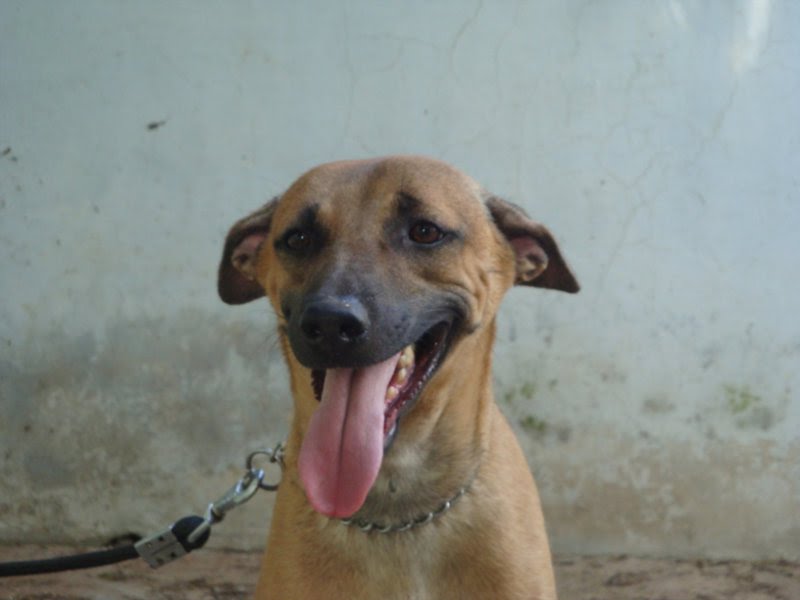
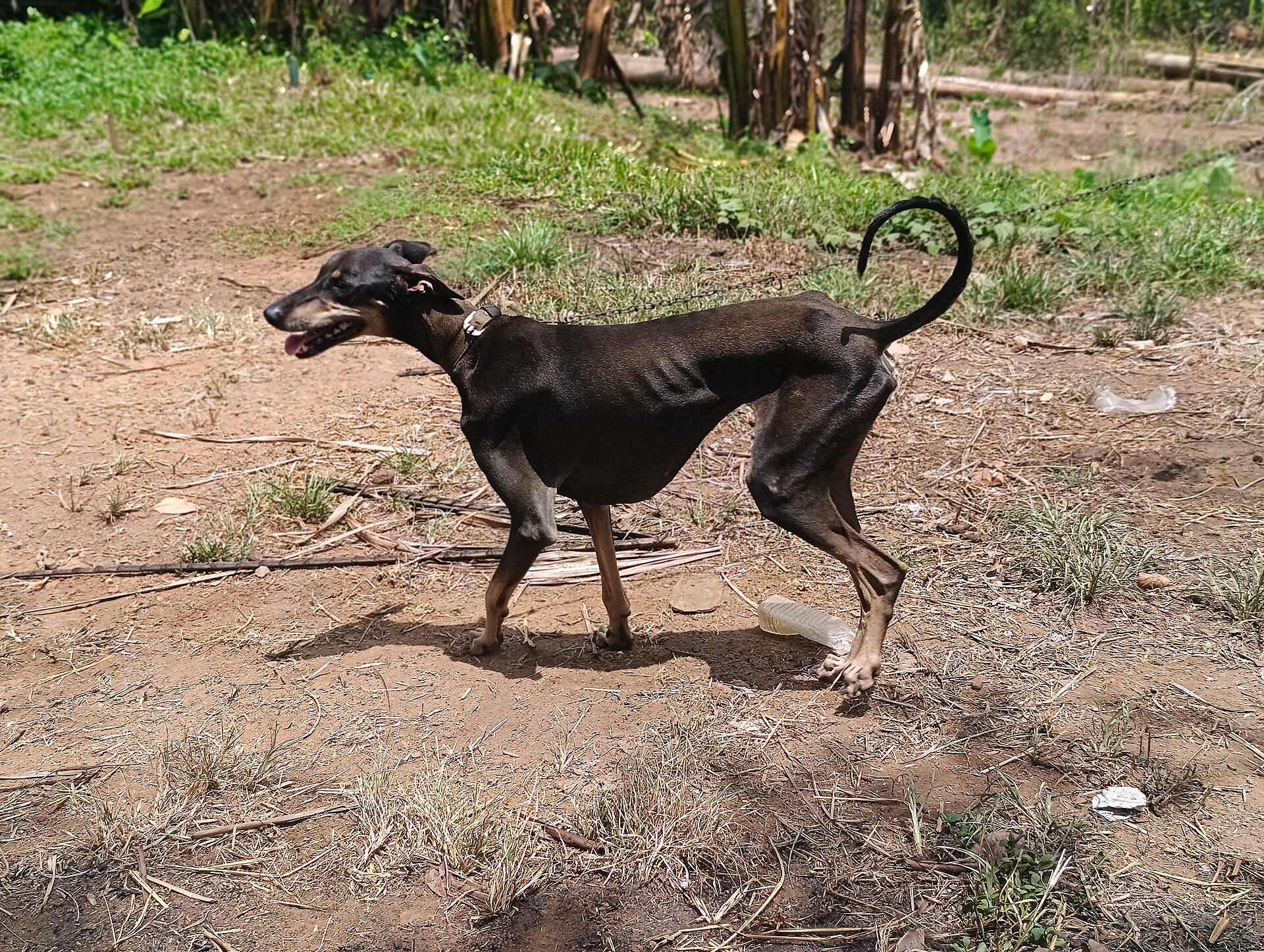
It is closely related to the Kanni, and in many villages the two names are used for the same population — Kanni for the black-and-tan, Chippiparai for the solid silver or fawn. Purists disagree. Both are worth preserving.
What it is actually like to live with
A Chippiparai is a quiet dog. It is not a barker, it is not demanding, and indoors it does almost nothing — the classic sighthound pattern of explosive exercise followed by long, committed sleep.
The prey drive, however, is absolute. A Chippiparai off-leash in an unfenced area will chase a cat, a chicken or a two-wheeler and will not hear you. This is the single most common way these dogs are lost. Fence properly or keep it on a long line.
It is thin-skinned and thin-coated, and it feels cold at temperatures that would not trouble other breeds. It will want to be under a blanket, on your bed, against a person. Owners who want an outdoor-only dog should choose something else.
Health and cost
Among the healthiest dogs in India — the village gene pool has been under hard natural selection for generations. Common issues are injury-related rather than genetic: torn pads, muscle strain, and sensitivity to anaesthesia typical of low-body-fat sighthounds. Tell your vet this before any surgery.