Where it comes from
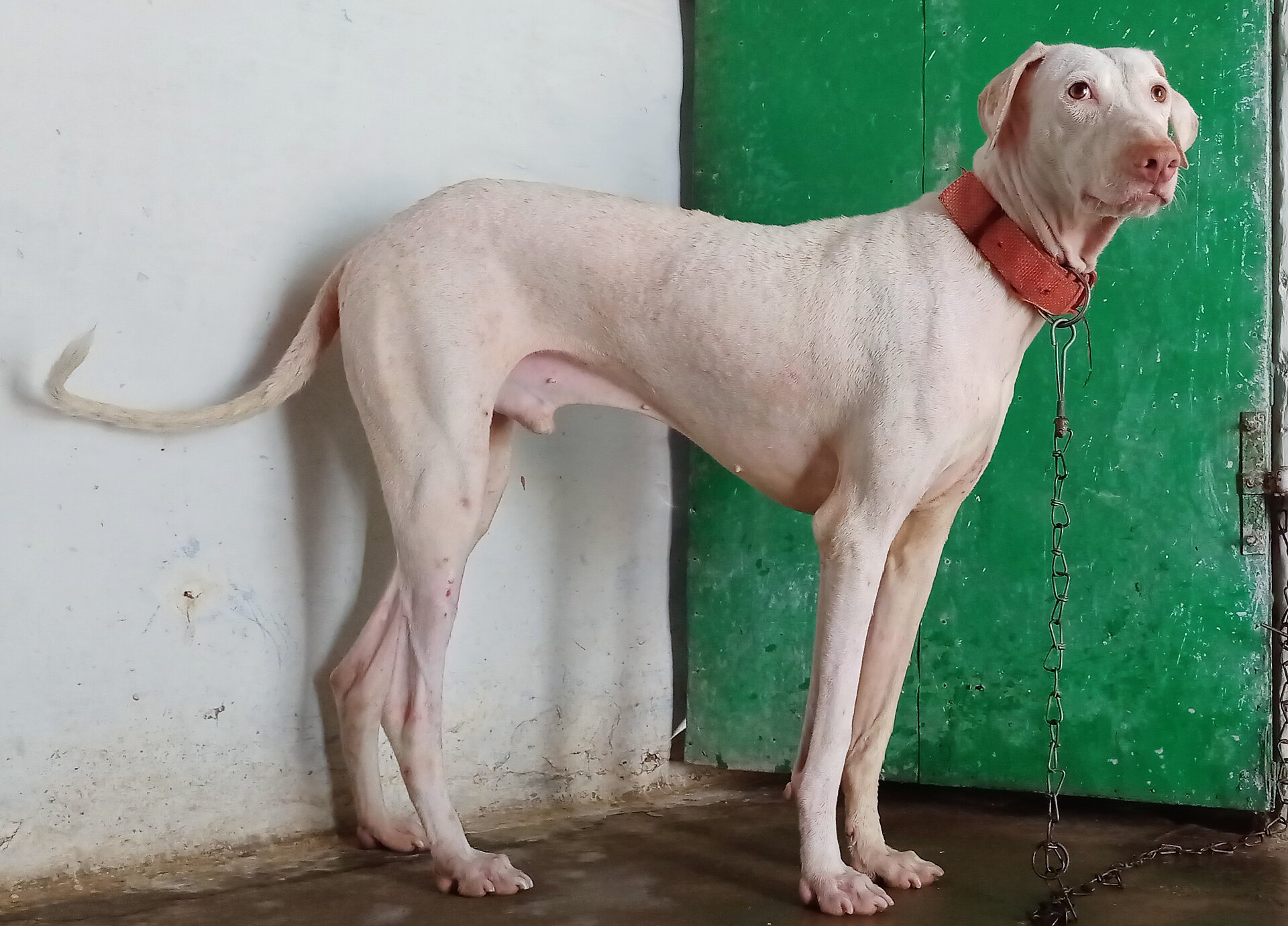
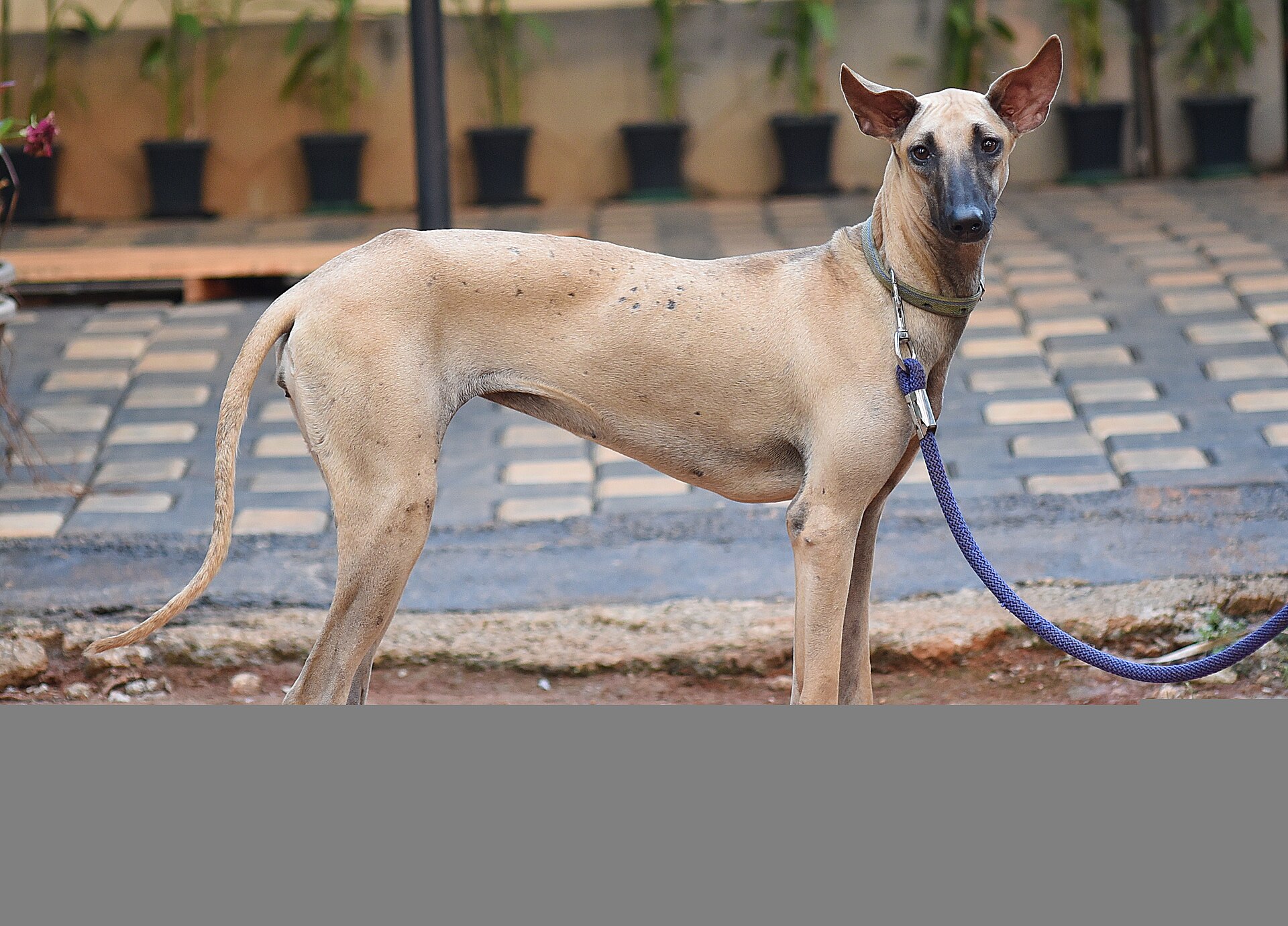
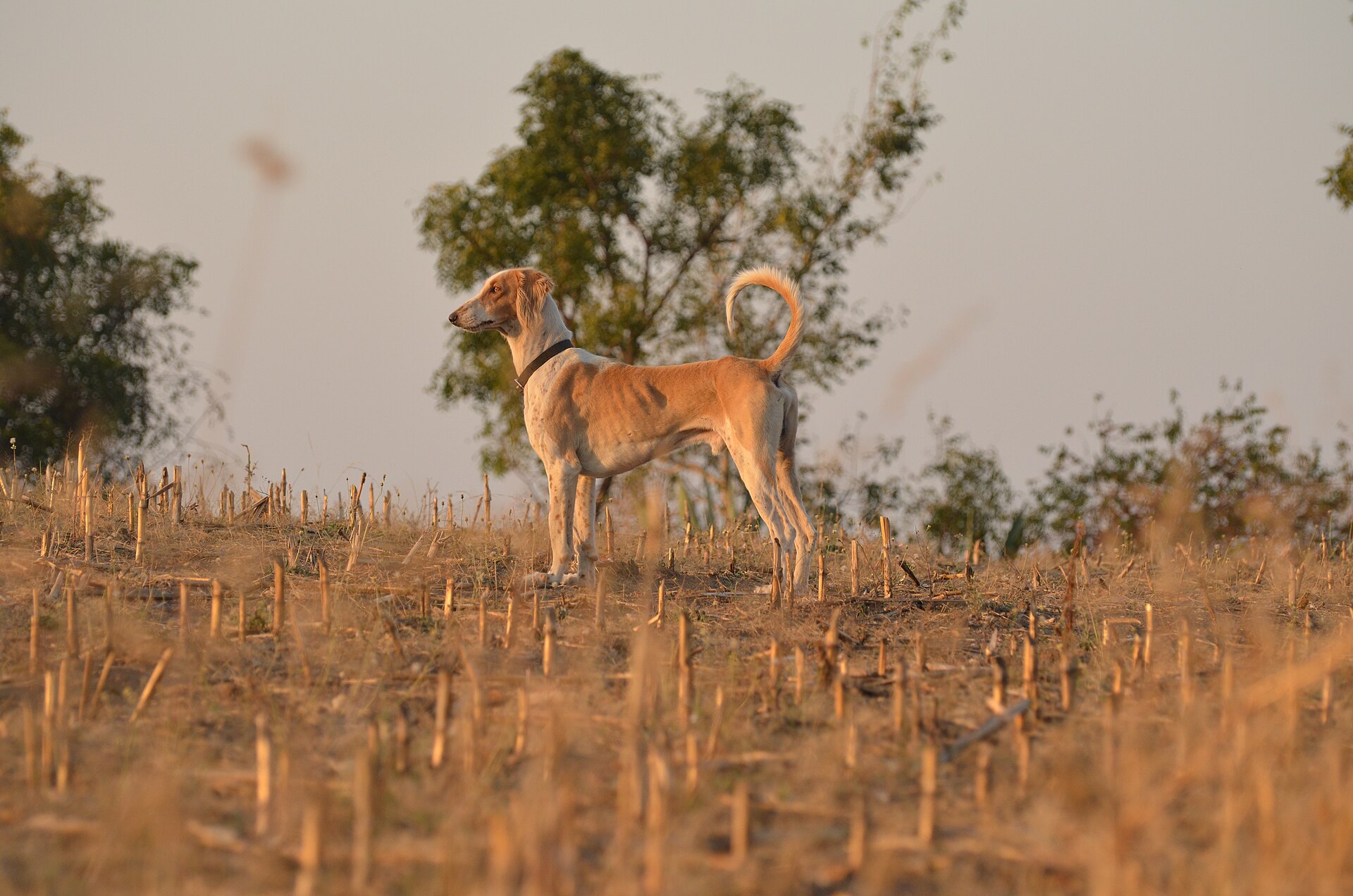
The Mudhol descends from sighthounds brought along the Deccan trade caravans — the Saluki and Tazi lines — crossed into local stock over centuries. The name Caravan Hound comes from that trade route origin; Mudhol comes from the princely state whose ruler, Shrimant Rajasaheb Malojirao Ghorpade, presented a pair to King George V in the 1900s and secured the breed's formal recognition.
Since 2017 the Indian Army has trained Mudhols at its Remount and Veterinary Corps centre in Meerut, and the Karnataka government runs a dedicated research and information centre at Mudhol. It is the clearest proof available that an Indian native breed can be brought back with structured effort.
What it is actually like to live with
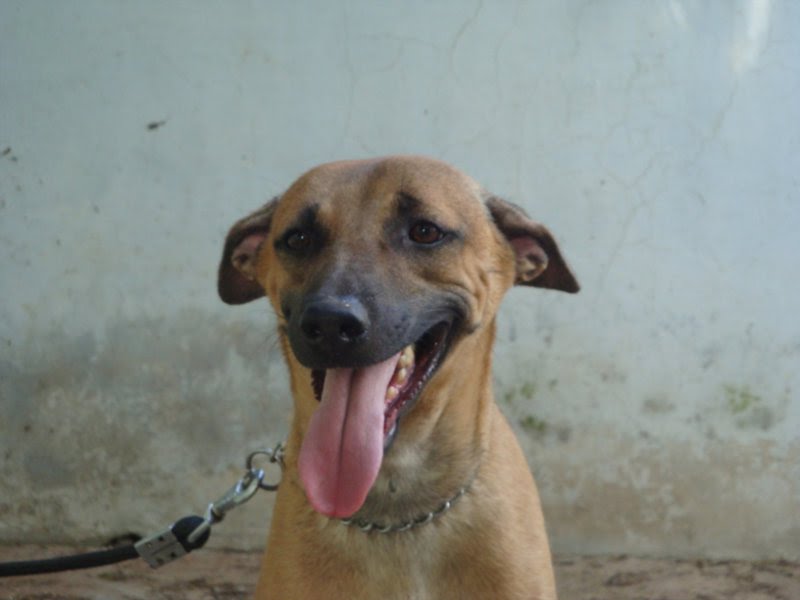
Mudhols are undemanding indoors, extremely clean, and almost odourless. They are aloof with strangers without being aggressive — they simply decline to engage.
Like all sighthounds they need to run flat out several times a week, and like all sighthounds they will chase. The feathered variety needs slightly more coat attention; the smooth variety needs none at all.
They are sensitive to harsh handling and will disengage rather than argue. Reward-based training works; force does not.