Where it comes from
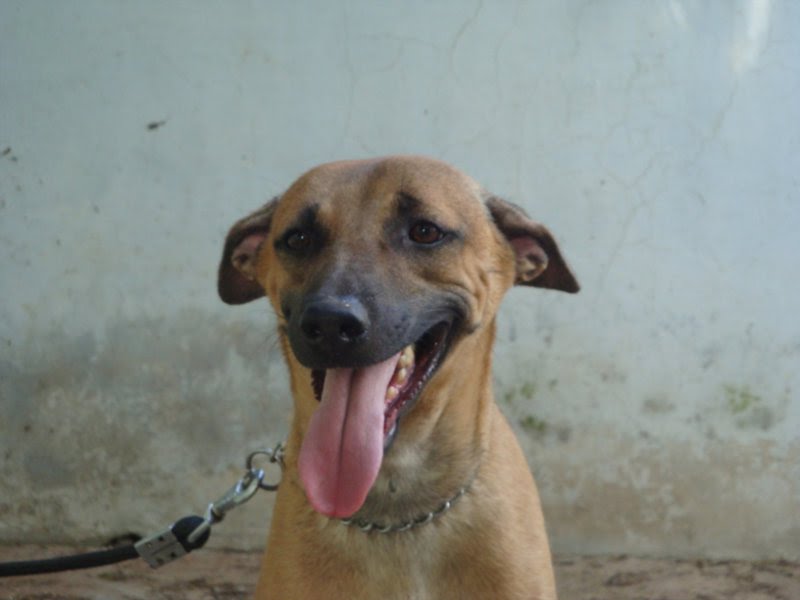
The Kombai is named for a village in Theni district on the eastern slopes of the Western Ghats. It was bred to work in packs against wild boar and bison — dangerous quarry — and the breed's whole build reflects that: a deep chest, a short muscular neck, and a bite designed to hold rather than slash.
Kombais are recorded in the retinues of the Maravar palayakarars of the seventeenth and eighteenth centuries, used as much against human raiders as against game.
What it is actually like to live with
A Kombai is warm and physically affectionate with its family in a way the Rajapalayam is not. It will lean on you, follow you room to room, and sleep across a doorway.
The complication is other dogs. Same-sex aggression is common and it is not something obedience classes fully erase — it is what the breed was selected for. Two adult male Kombais in one house is a plan that ends badly. On walks, expect to manage encounters rather than hope for the best.
It has an unusually high pain threshold, which means injuries get hidden. A Kombai will keep working on a torn pad or a cracked nail without a limp. Check paws and ears by hand weekly rather than waiting for it to tell you.
Training
Kombais are intelligent and read human mood quickly, but they are not biddable in the retriever sense. They comply with people they respect. Harsh correction produces a dog that shuts down or escalates; consistency and early, heavy socialisation from eight weeks produce a dog that is genuinely trustworthy.