The distinction that matters
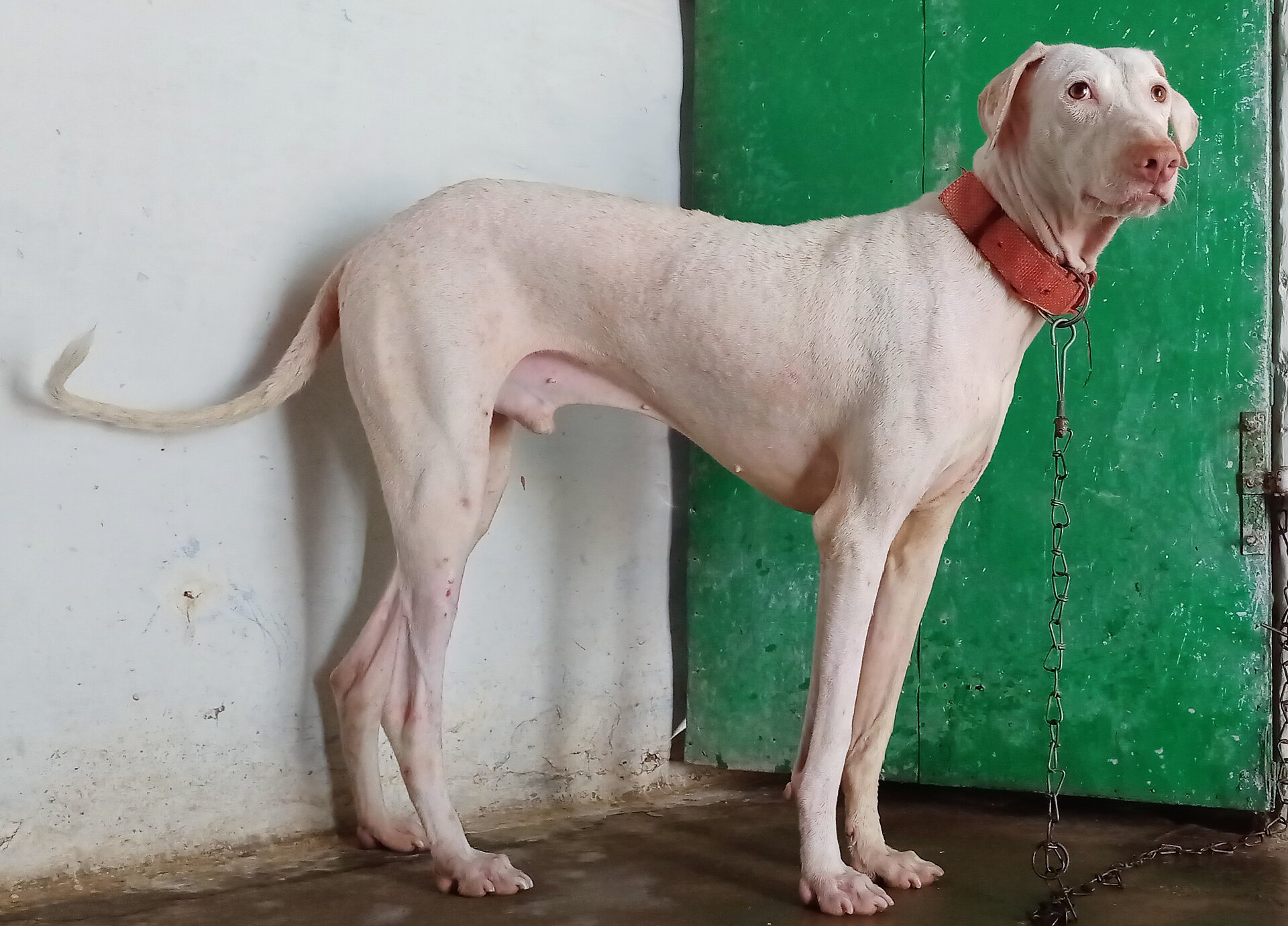
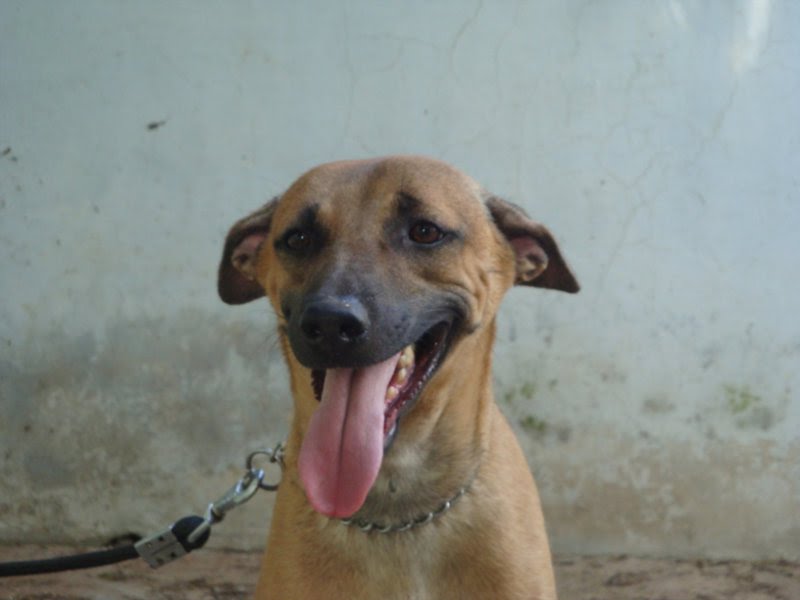
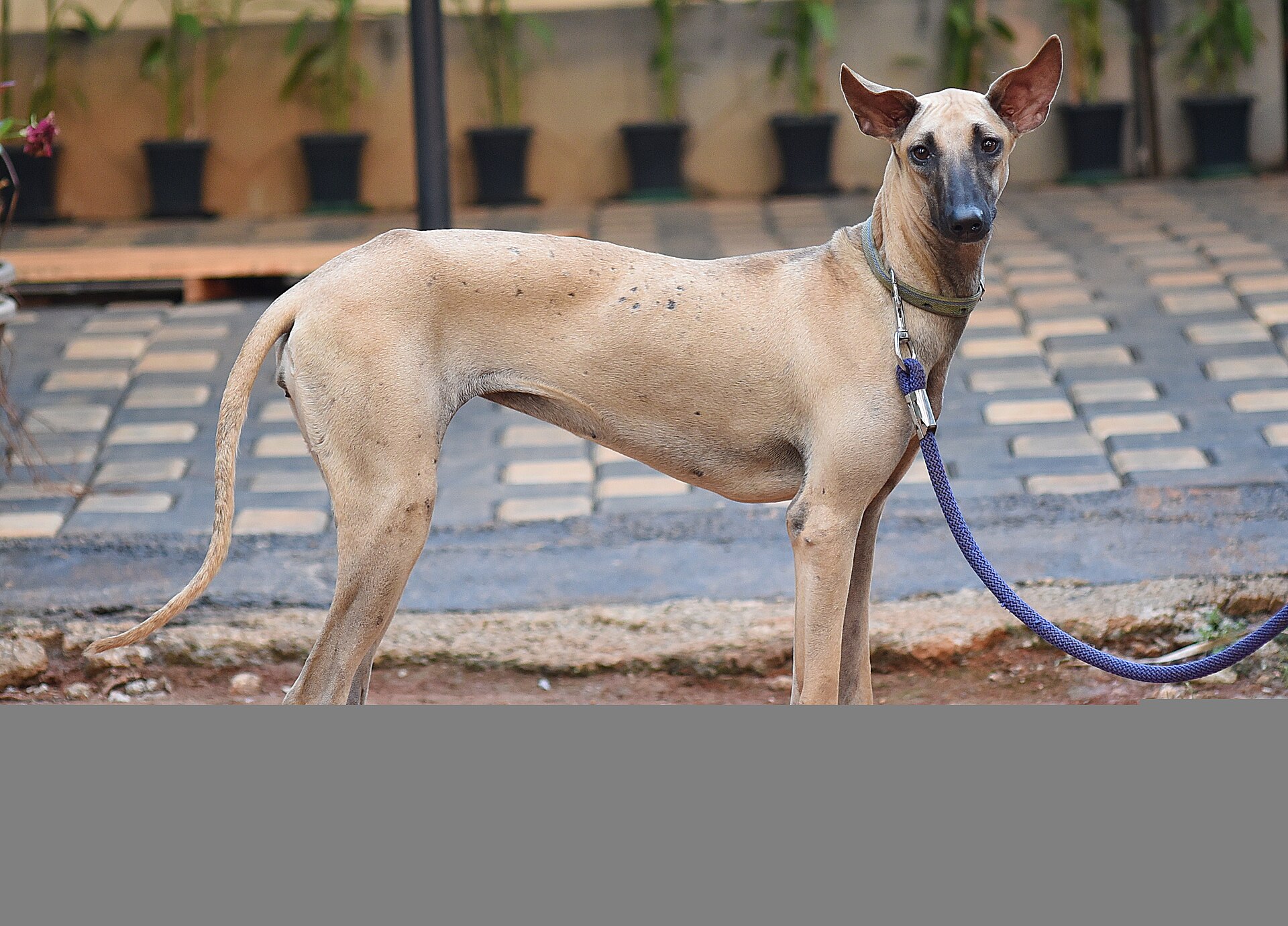
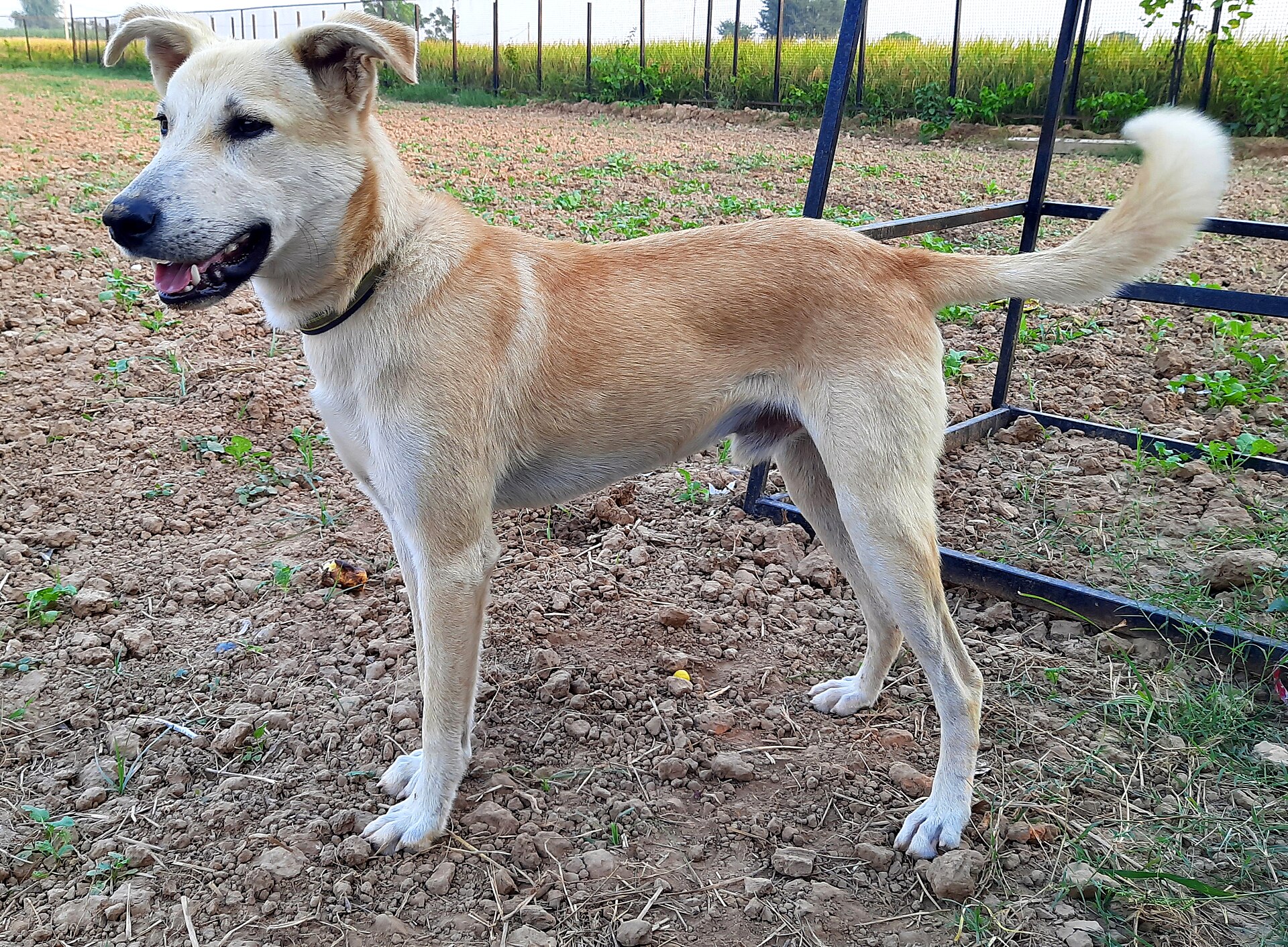
'Stray' describes a dog's living situation. 'Pariah' or INDog describes a genetic population — a true landrace with a consistent wedge-shaped head, erect ears, a curved tail and a short double coat, documented by researchers including the INDog Project.
Many street dogs in Indian cities are now mixed with abandoned pedigree stock. A well-typed Pariah is a specific-looking animal, not simply any free-ranging dog.
Why it outperforms almost everything imported
Pariahs have been under natural selection for disease resistance, heat tolerance, and the ability to survive on limited food. The result is a dog with very low incidence of hip dysplasia, minimal skin disease, no brachycephalic breathing problems, and typical lifespans of fourteen years and up.
They are also problem-solvers. Pariah owners consistently report a dog that opens latches, works out routines, and reads household politics faster than the pedigree dogs it lives with. This intelligence needs an outlet — an under-stimulated Pariah invents its own projects.
Adopting one
Every Indian city has more Pariah puppies than homes. Blue Cross, People For Animals, and hundreds of independent local rescuers will place a vaccinated, dewormed pup with you for the cost of the vaccination. Adopt an adult and you also skip the guesswork on temperament.
Take the whole litter's health history, insist on vaccination records, and give a nervous rescue eight to twelve weeks to settle before judging its personality.