Where it comes from
The Rajapalayam takes its name from the town in Virudhunagar district where the Nayakar dynasty maintained kennels of them. They were hunting dogs first — coursing boar across dry scrub — and palace guards second. Local accounts place them at the Battle of Vaigai on the side of Poligar chieftains resisting the British.
The breed nearly disappeared through the twentieth century as hunting was outlawed and imported breeds became status symbols. A 2005 postage stamp from India Post and, later, an Indian Army trial programme brought it back into public view. Numbers remain low and the gene pool is thin.
What it is actually like to live with
This is not a dog that performs affection. A Rajapalayam bonds hard with one or two people and treats everyone else as a security question to be resolved. It does not bark idly; when it does bark, look.
It needs space and a job. A Rajapalayam confined to a small flat with no daily running will become anxious and destructive, and its guarding instinct will turn on ordinary visitors. Given a compound wall, a long morning run and clear leadership, it is calm and remarkably low-maintenance.
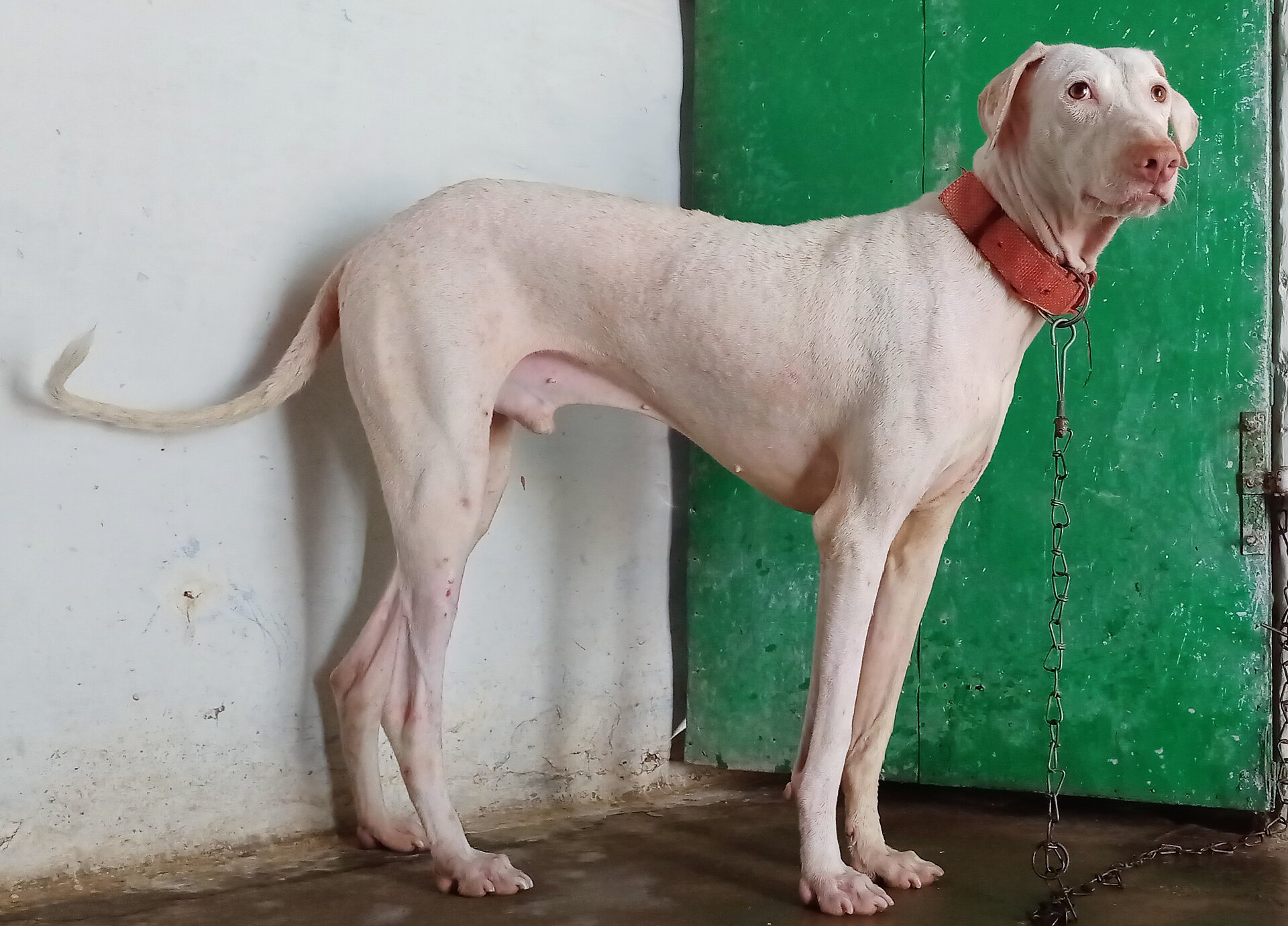
Its white coat carries a genuine health caveat: dogs bred from two merle or excessively depigmented parents can be born deaf or with impaired vision. Ask any breeder directly about deafness in the line, and walk away if they get vague.
Choosing a puppy honestly
Look for pink-pigmented skin with a clean white coat, dark or golden eyes, and a puppy that startles and orients to sound. Clap behind it. A pup that never turns has a hearing problem.
Avoid anyone selling 'show quality' Rajapalayams at inflated prices with no visible parents. The working lines around Virudhunagar, Sivakasi and Madurai are where the honest stock still is.